Fireplace, Soil, and Strings: The Health Wisdom They Teach Us
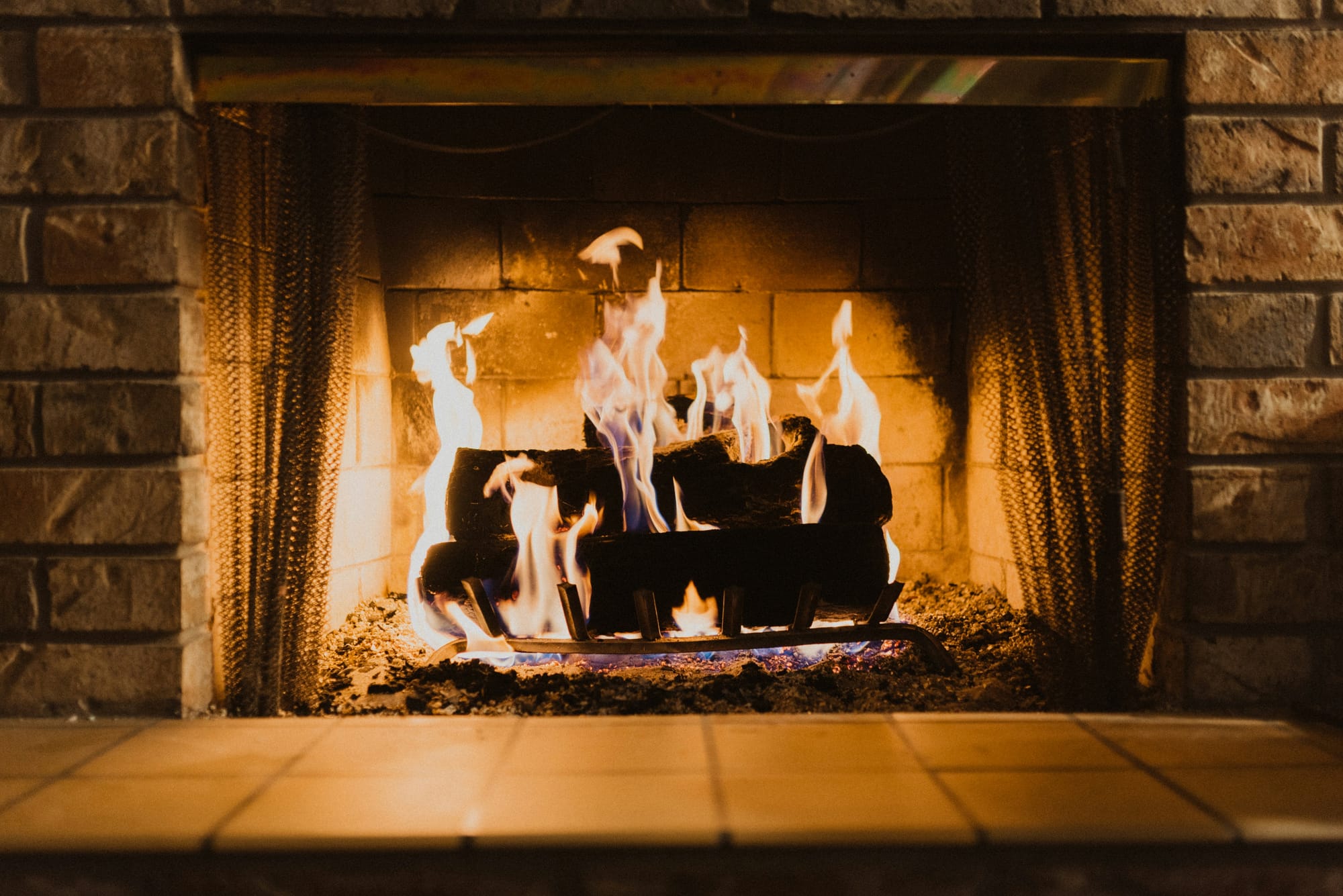
What the Fireplace Teaches Us
When a fireplace begins to die, most people make an instinctive mistake: they throw on more wood.
If you stack logs too tightly, you smother the embers.
Fire does not need more fuel to survive. It needs oxygen. It needs room to breathe.
Modern life suffers from the exact same flaw.
When exhaustion hits, we pile on more fuel—another shot of espresso, massive amounts of processed sugary drinks labeled as "energy drinks," or the endless pursuit of the next milestone. When our bodies inevitably break down under the weight, we rarely ask if we are smothered. Instead, we wonder: "Is my supplement dosage too low? Should I increase the dose? Should I drink more coffee? Should I drink another energy drink?"
We forget a simple truth: Adding more fuel to a dying fire only puts it out.

What the Earth Teaches Us
Consider industrial agriculture.
Driven by short-term yield, massive farms push the soil year after year without interruption.
What happens to that soil—once overflowing with vitality, the very earth that gratefully provided us with wholesome food?
The soil loses its minerals, vitality vanishes, and fertile land turns into dusty, barren dirt. To mask the damage, synthetic fertilizers are poured onto the soil—a vicious cycle of forcing productivity from a dying source.
When I was a boy, I visited my great-grandmother’s farm in Korea.
She tended a generous plot of land.
I loved playing in those fields with my relatives, watching bugs, and digging my hands into the dirt. But one year, a large section of her land sat completely bare.
Curious, I asked her:
"Grandma, why is nothing growing here?
Did you eat it all already?"
She chuckled, looked at me, and said something I have carried with me ever since:
"My Boy~Sangjin, when you run and play all day, what do you do at night? You sleep. You need to sleep so you can run again tomorrow. The soil is alive, too. Look at the earthworms and the soil. Land needs sleep. I let this field rest for a year so it can give us clean, delicious food again next season."
To her, leaving the land untouched was not laziness. It was not a loss of profit. It was the oldest wisdom of the earth: Leaving a field fallow for a season secures the abundance of the next decade.




![Fundamentals of Natural Food to Heal Your Body [ 12 ]](https://storage.ghost.io/c/8f/00/8f00fdb3-415c-42a4-a5c1-668df117e7f0/content/images/size/w750/2026/08/Gemini_Generated_Image_g37pm4g37pm4g37p-1.jpeg)