From Garden Hoses to Lab-Grown Meat: Just Forty Years
I. A Scene from Forty Years Ago
In popular Korean storytelling from the late 1980s and early 1990s—captured vividly in beloved television shows like 'Reply 1988', and 'Reply 1994'—there are scenes where everyday neighbors gather on wooden benches in the warm afternoon sun.
They talk about the upcoming Seoul Olympics, share watermelons, and laugh about distant news from abroad. In one scene, someone mentions a rumor that people in far-off countries were actually putting water into plastic bottles and selling it for money. The neighbors laugh heartily.
"Who in the world would pay money for water?"
One asks with a wide smile.
"Next thing you know, someone will try to sell us the air we breathe."
When young students moved to the city in those days, they were stunned to see bottled water sitting in store aisles. To them, it felt like an unbelievable joke.
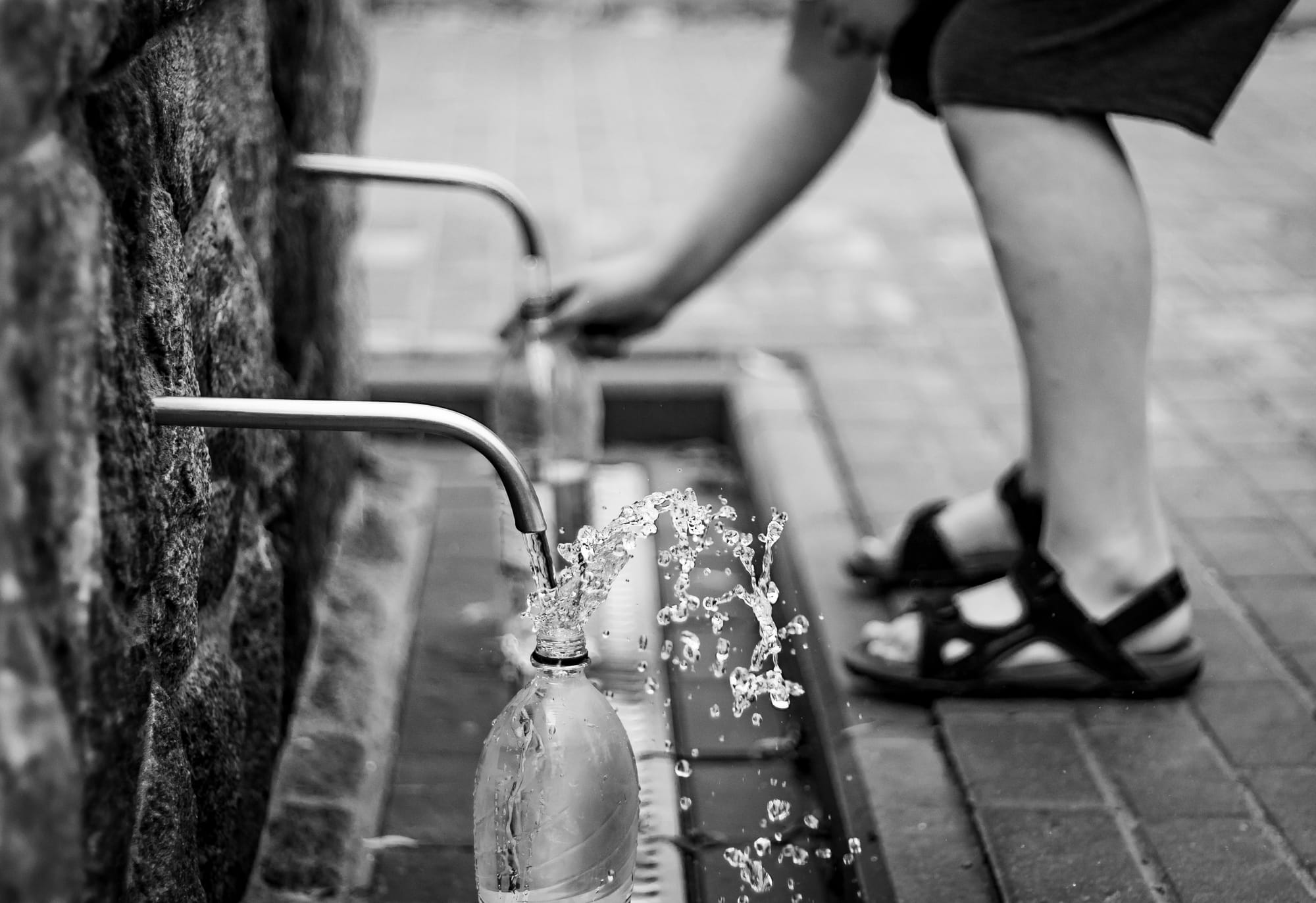
Back in the 1980s, the thought of buying water simply did not exist in our everyday life. Across neighborhoods, when children played tag or rode bicycles under the blistering 95°F (approx. 35°C) summer heat until their shirts were soaked with sweat, thirst was simple. We ran straight to the nearest garden hose or outdoor water tap, turned the metal handle, and drank cold, sweet water straight from the pipe.
At home, families took that same clean tap water, brought it to a gentle boil on the stove, and dropped in a handful of roasted barley, corn, or cassia seeds. A chilled pitcher of that savory, roasted barley or corn tea kept in the refrigerator was what my family—and nearly every household at the time—drank daily in place of plain water.
The crisp, deep refreshment of pouring a cold glass of that tea after running under the summer sun is something words can barely describe.
In fact, selling bottled tap water for private commercial profit was originally restricted by law. When the government temporarily allowed bottled water strictly for foreign athletes during the 1988 Olympic Games, many saw it merely as an unusual accommodation for visitors. It took years of legal debates before commercial bottled water was fully legalized in 1994.
When bottled water first began appearing on everyday supermarket shelves, many of us stood in front of those aisles with a quiet sense of wonder and confusion.
Today, picking up a 16-ounce plastic bottle of spring water at a gas station or grocery store is as routine as breathing.
Nobody pauses.
Nobody questions it.
Yet, this profound shift did not take centuries to happen.
It took place in less than forty years—within a single human lifetime.

![Fundamentals of Natural Food to Heal Your Body [ 12 ]](https://storage.ghost.io/c/8f/00/8f00fdb3-415c-42a4-a5c1-668df117e7f0/content/images/size/w750/2026/08/Gemini_Generated_Image_g37pm4g37pm4g37p-1.jpeg)