Eating the Label
Not long ago, I had a brief conversation that deeply resonated with me, and I would like to share it with you today.
Someone approached me with a profoundly exhausted expression and asked:
"My doctor told me to stop eating meat for a while and eat vegetables, so I did.
But my stomach still feels incredibly uncomfortable and bloated.
I took the prescribed medication and followed all the doctor’s orders, but why aren't my symptoms improving at all?
Just today, I didn't eat any meat for lunch, yet my stomach feels completely blocked up right now."
In her face and in the tone of her voice, I could plainly see the sheer exhaustion built up from battling relentless, lingering symptoms for so long.
Our conversation went a little deeper.
"What was the exact diagnosis the doctor gave you?
And what was the reason they told you to stop eating meat?
Most importantly, what exactly did you eat for lunch today?"
She let out a small sigh and answered:
"The diagnosis was 'indigestion caused by excessive stress.'
They said it might also be irritable bowel syndrome (IBS).
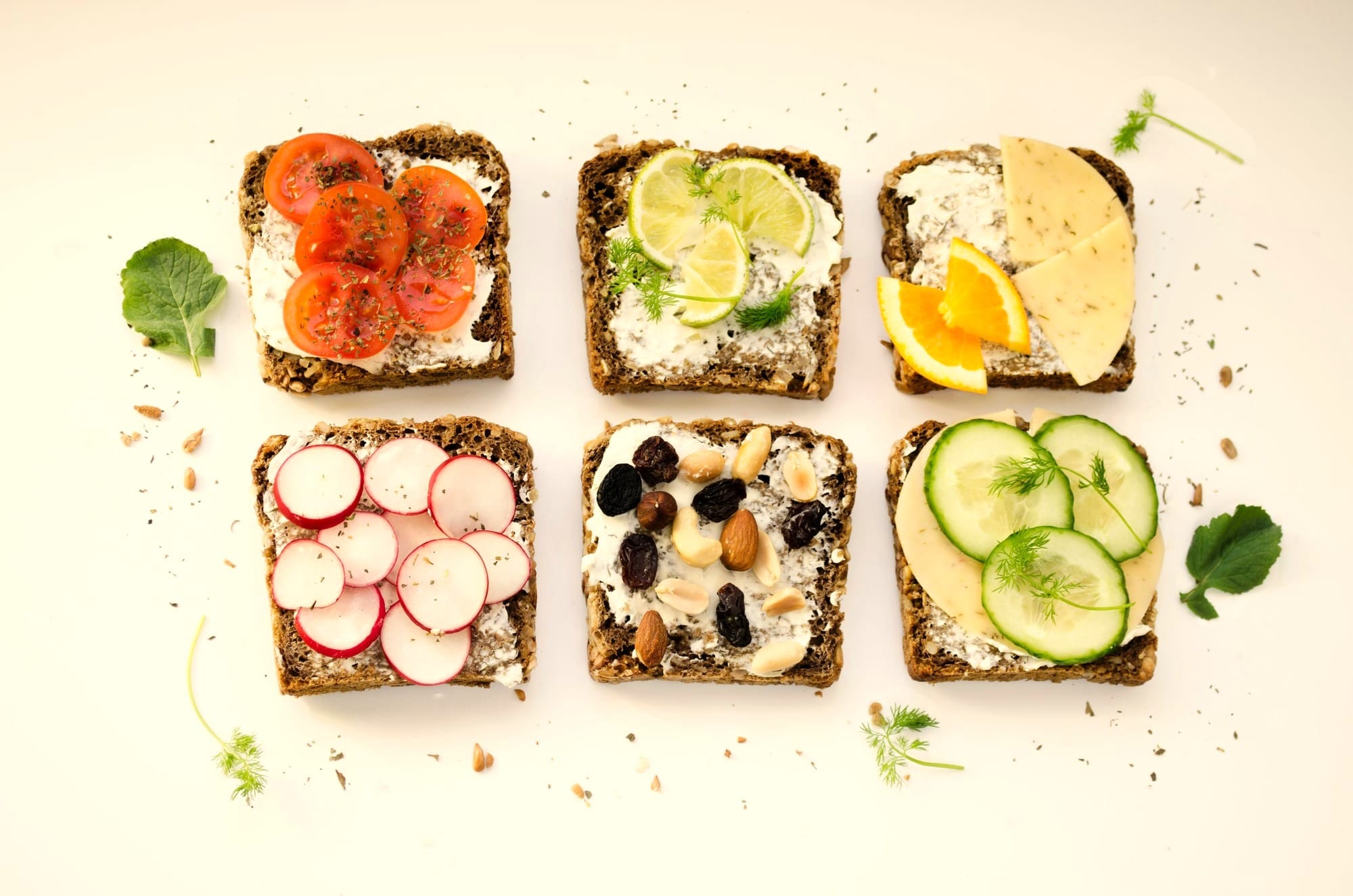
The doctor told me meat is heavy on the gut and bad for the body, so I should avoid it for a while. So for lunch today, I grabbed a healthy 'vegetable sandwich' from the sandwich shop near my office."
This is a profoundly common perspective and response that I encounter with clients almost every single time I do a consultation. Hidden within her answer are massive misconceptions about health and food that we unknowingly overlook.
These are things that countless clients and even my close acquaintances fail to consider or even recognize. Today, I want to gently untangle the knots of these misconceptions one by one.
The Paradox of Hygiene and the Hypocrisy on Our Plates
One of the most common pieces of advice given for IBS or indigestion is to "cut out meat." But the serious question we must ask here is not,
"Is meat really bad?" but rather,
"How was the meat we are eating actually raised?"
Let’s take a quiet look at our daily lives.
If we find a single hair in our food at a restaurant, we make a massive fuss, complaining that it makes us sick to our stomachs.
If a chef touches our food with bare hands, we overreact about how unsanitary it is, and we meticulously scrub our own hands with antibacterial soap before a meal.
Yet, we completely close our eyes to the environment in which that perfectly cooked steak we are drooling over was actually raised.
The vast majority of the meat we consume today is not a living creature that grazed on grass under the bright sun. It is the product of tightly packed Concentrated Animal Feeding Operations (CAFOs)—factory farms crawling with disease, crawling with insects, and drowning in feces.
Instead of cleaning up this horrifying filth and improving the environment, massive food corporations have chosen a much cheaper, more brutal method: they pour unimaginable quantities of antibiotics into the livestock just to cover up the secondary infections caused by the filth. Even healthy animals are given prophylactic antibiotics daily through their food and water, along with growth hormones injected to force rapid weight gain.
What is even more bitter is how capital covers up the truth.
In several U.S. states, aggressive lobbying by massive agricultural corporations has led to the passage of "Ag-Gag Laws."
These laws make it a felony to simply film or document the cruel, unsanitary realities inside these factory farms. Instead of cleaning up their filth, big capital essentially bought laws to blindfold the consumers.
What we cannot digest, and what causes inflammation in our bodies, is not "meat"—which is a brilliant, natural source of protein. It is the extreme stress hormones, and the chemical drugs and toxins poured in to mask the filthy environments. Clean meat, raised according to the laws of nature, is profoundly healing food for us.