[Journey of Water 04] The Equilibrium of Extremes
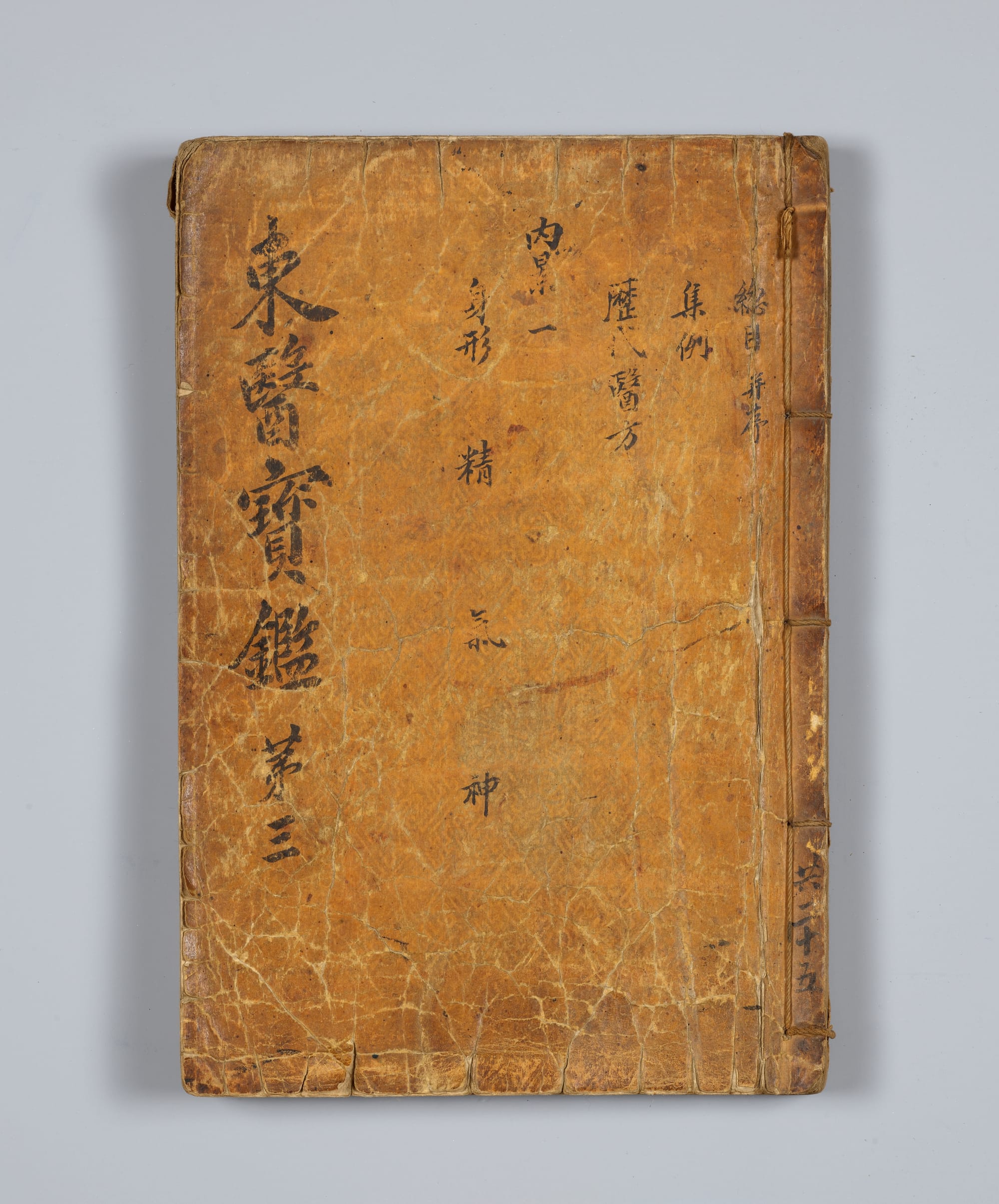
Life is a delicate balance between the warmth that embraces us and the cold that awakens us. In my memories, the warmth of my mother’s hands and the biting cold of the mountain streams in my youth are not opposites; they are the two pillars that supported my vitality. One provided the comfort to grow, and the other provided the tension to survive. In this chapter, we explore how nature uses the extremes of temperature—the geothermal heat of the earth and the frozen stillness of winter—to design our health.
The Wisdom of Temperature
We often think of temperature as a mere comfort setting. However, in the Dongui Bogam, temperature is a functional tool for equilibrium. Fire and ice are not just physical states; they are medicinal intents. While moving water (from our last journey) dictates the speed of healing, the temperature of water dictates the target of healing. Whether it is cooling the internal fires of stress or melting the external rigidity of pain, the "thermal soul" of water is what restores the balance.
10. [Han-Cheon-Su]: The Unshakable Stillness of the Shadow
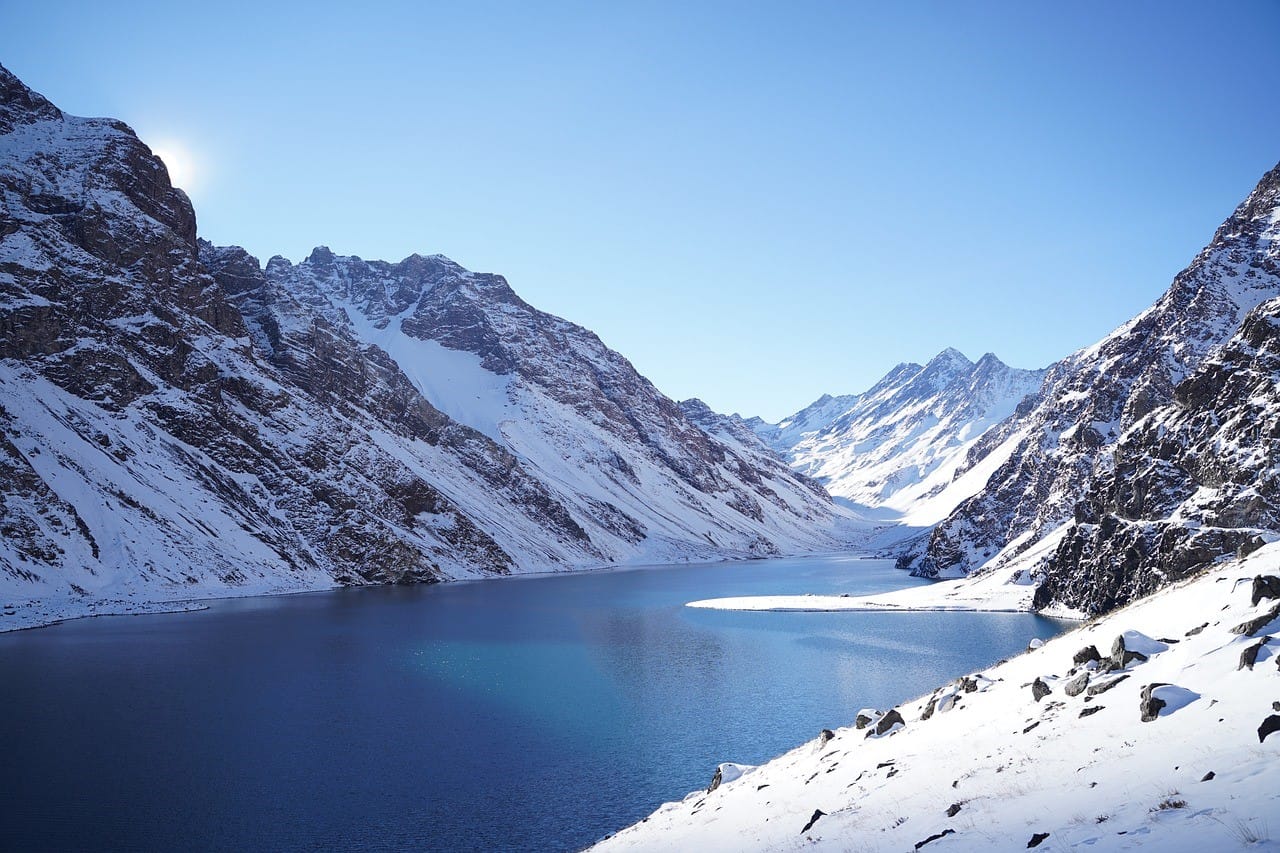
Think back to the mountain streams I mentioned in our previous journey. Even in the sweltering heat of midsummer, there are hidden springs deep within the valleys that remain bone-chillingly cold. This is Han-Cheon-Su. It is water that refuses to be influenced by the external world, maintaining its core essence regardless of the season.
- Definition: Literally "Cold Spring Water." It refers to springs found in deep, shaded valleys or drawn from deep underground. It possesses a unique thermal stability, staying ice-cold in summer and feeling strangely warm in the depths of winter.
- Symbolism & Properties: It embodies the energy of "unwavering stability." In Eastern medicine, it is used to extinguish "internal fires"—the heat caused by extreme stress, anxiety, or chronic inflammation. It calms the spirit (An-Shin) and quenches the deep thirst that purely chemical hydration cannot reach. It is the remedy for a heart that has become too hot to rest.
- Oriental Medicine Use: In the Dongui Bogam, Han-Cheon-Su is the primary treatment for So-Gal (chronic thirst associated with diabetes) and persistent nausea. It excels at clearing excessive internal heat, making it highly effective for treating heat-induced diarrhea and painful, red urination. It also serves as a potent external and internal purifier; washing skin irritated by lacquer (poison ivy/oak) with this water facilitates smoother excretion. Remarkably, it acts as a specific antidote for botanical toxins that cause the mouth to seize and is traditionally used to help dislodge fish bones accidentally stuck in the throat. Its thermal stability makes it one of the finest waters for decocting a wide range of herbal medicines.
- Modern Perspective: Drawn from depths isolated from surface pollution, this water has a highly stable mineral structure. Because it maintains a constant temperature, it is often "structured water," which has a superior ability to suppress oxidative stress and stabilize cellular functions.
![[Journey of Salt 07] The Quiet Battery Inside Every Cell](https://storage.ghost.io/c/8f/00/8f00fdb3-415c-42a4-a5c1-668df117e7f0/content/images/size/w750/2026/09/photo-1648224394463-4589e018f2c3-1.jpeg)
![[Journey of Salt 06] Fused Salt](https://storage.ghost.io/c/8f/00/8f00fdb3-415c-42a4-a5c1-668df117e7f0/content/images/size/w750/2026/08/photo-1621315892013-f32af7358947-1.jpeg)
![[Journey of Salt 05] Salt Supports Digestion](https://storage.ghost.io/c/8f/00/8f00fdb3-415c-42a4-a5c1-668df117e7f0/content/images/size/w750/2026/08/photo-1569267575718-cc7287529e25-1.jpeg)
![[Journey of Salt 04] Nature's Masterpiece](https://storage.ghost.io/c/8f/00/8f00fdb3-415c-42a4-a5c1-668df117e7f0/content/images/size/w750/2026/08/photo-1677126120848-b839ce10f6ce-1.jpeg)
![[Journey of Salt 03] Where Modern Science and Ancient Wisdom Meet](https://storage.ghost.io/c/8f/00/8f00fdb3-415c-42a4-a5c1-668df117e7f0/content/images/size/w750/2026/08/photo-1659022679092-27b3ee7d8fdb-1.jpeg)