[Journey of Salt 06] Fused Salt
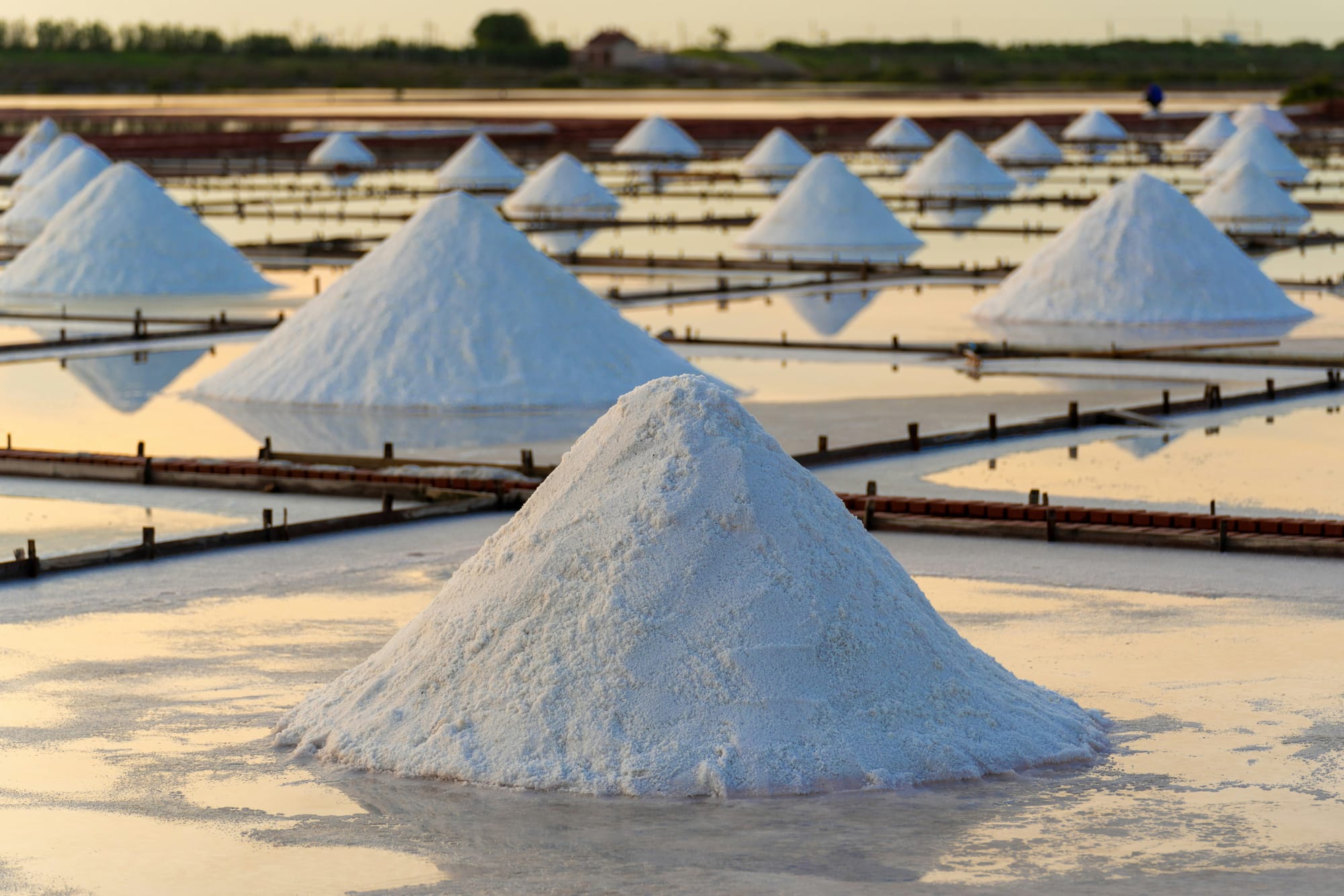
When we sit down to a simple meal, rarely do we pause to think about the quiet minerals that quietly hold our bodies together. Salt is so common, so effortlessly within our reach, that we often forget it is an ancient messenger of the earth. But what happens when salt is returned to the fierce embrace of fire, stripped of everything—impurities, moisture, and doubt—leaving behind only absolute purity?
This is a story about High-Temperature Melted Sea Salt
(High-Temperature Melted Sea Salt or Fused Salt).
This specialized high-temperature melted sea salt uses ordinary sea salt as its raw material. But this raw gift is never entirely innocent; trapped within its crystal lattice are unwanted guests—heavy metals, microplastics, trapped moisture, and harsh chemical residues like magnesium chloride and calcium chloride. From a physicochemical standpoint, raw marine salt is a complex matrix containing various trace elements, some of which are undesirable pollutants accumulated from modern industrial runoff.
To transform this raw material into true high-temperature melted sea salt, the salt is placed inside specially crafted ceramic vessels and given over to the kiln. A couple who has dedicated 30 long years of their lives to handcrafting this melted salt discovered through relentless experimentation that 830 degrees Fahrenheit (approximately 443 degrees Celsius) is the precise threshold where this high-temperature melted sea salt is most perfectly reborn.
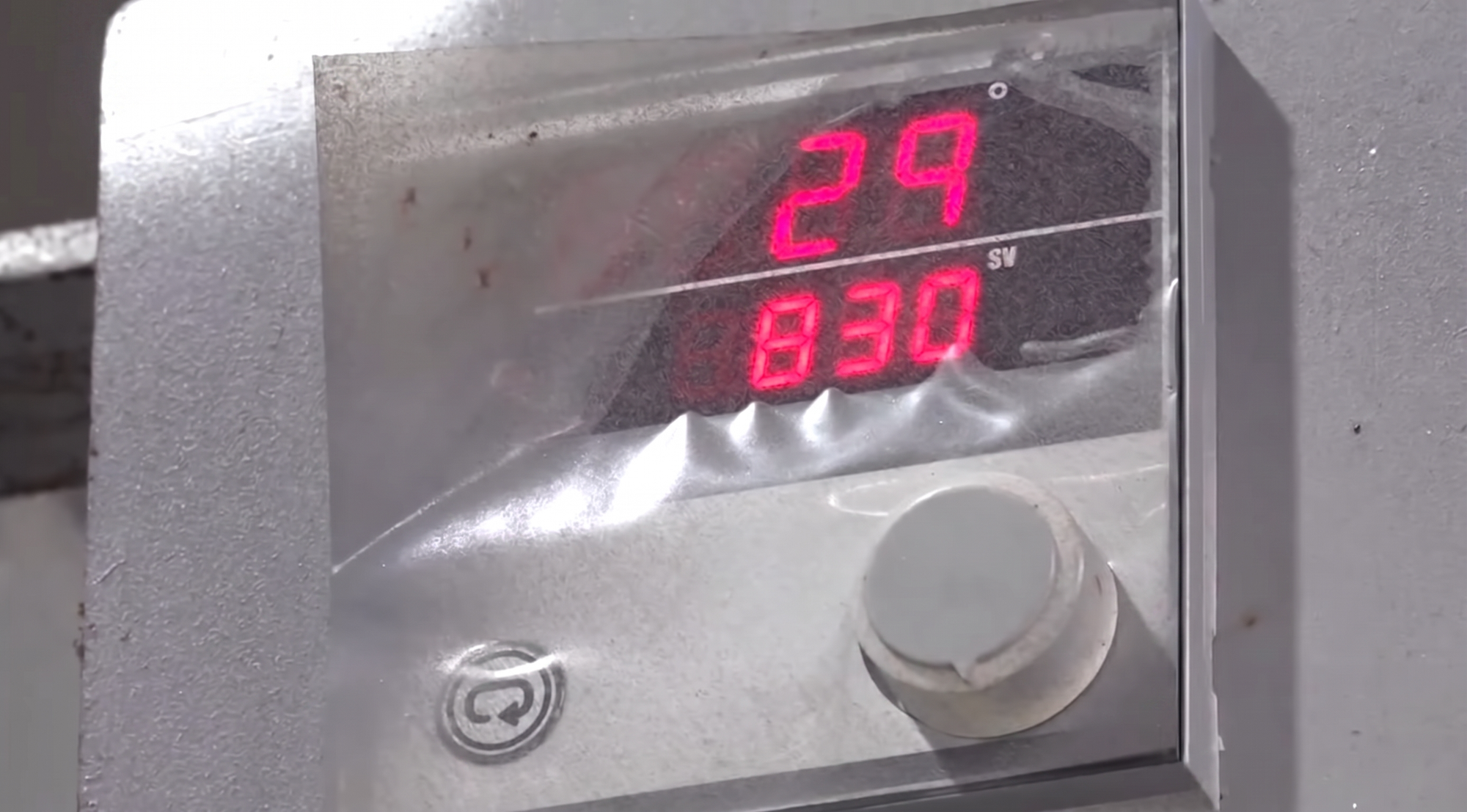
As the thermal energy rises inside the kiln, a profound chemical transition takes place. Driven by the intense heat, volatile chlorine molecules begin to dissociate and escape into the air. Without their chlorine partners, the stubborn magnesium and calcium chlorides undergo a structural phase shift, gracefully converting into pure, stable oxides—magnesium oxide and calcium oxide. Modern thermodynamic principles confirm that this high-temperature calcination breaks down unstable chemical bonds, driving out volatile impurities and locking the mineral structure into a cleaner, highly bio-available state.
This is not a quick industrial shortcut.
It is a slow, meditative endurance.
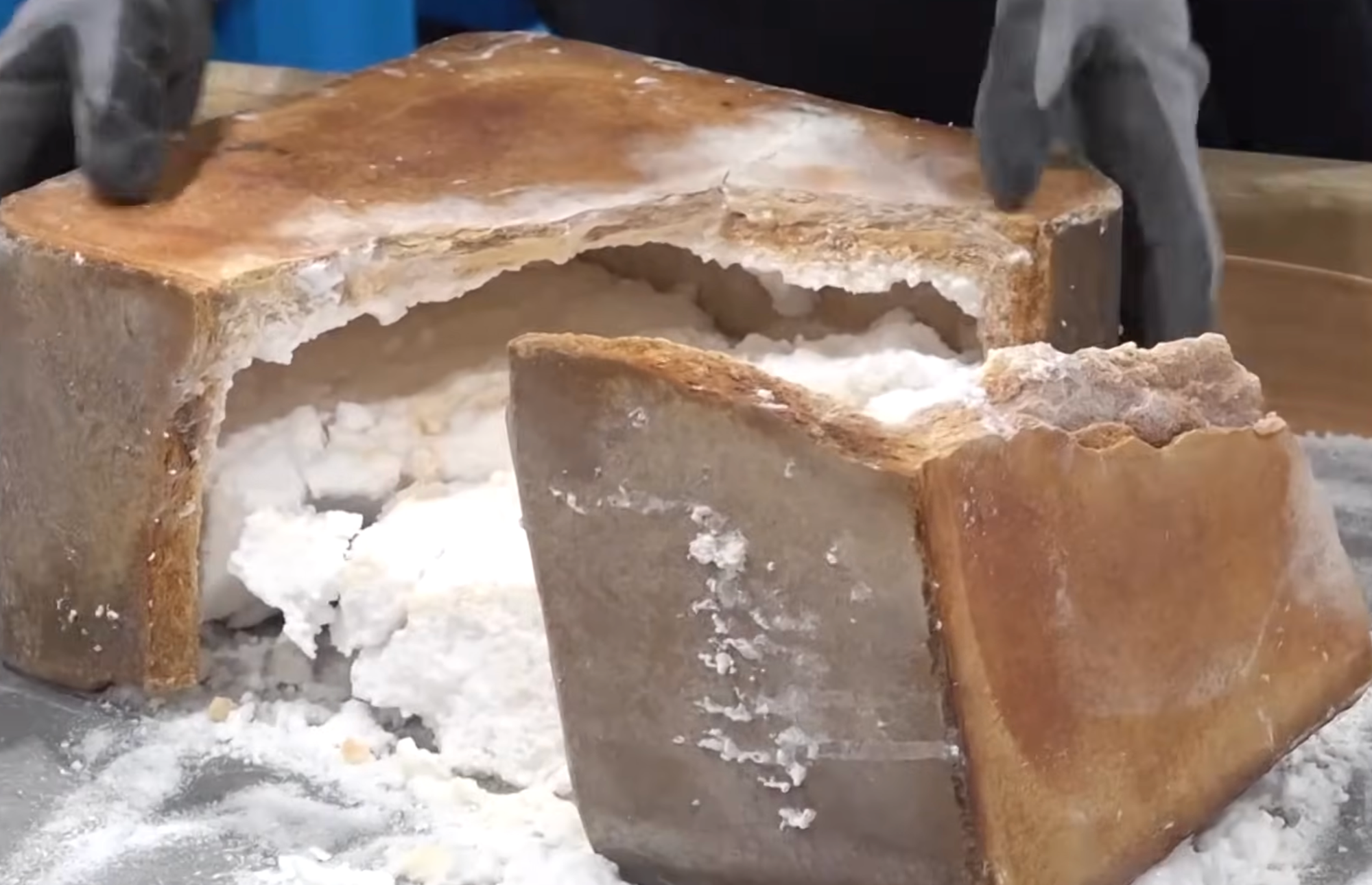
The kiln breathes fire up to its peak temperature, ensuring that every impurity is melted away and burned out. Once this fiery transformation concludes, a delicate cooling ritual begins. For five long days, the salt remains locked inside the cooling kiln, slowly adjusting to the world. When it is finally brought out, it spends another two days resting quietly at room temperature. Seven full days pass before the kiln is unsealed.
![[Journey of Salt 07] The Quiet Battery Inside Every Cell](https://storage.ghost.io/c/8f/00/8f00fdb3-415c-42a4-a5c1-668df117e7f0/content/images/size/w750/2026/09/photo-1648224394463-4589e018f2c3-1.jpeg)
![[Journey of Salt 05] Salt Supports Digestion](https://storage.ghost.io/c/8f/00/8f00fdb3-415c-42a4-a5c1-668df117e7f0/content/images/size/w750/2026/08/photo-1569267575718-cc7287529e25-1.jpeg)
![[Journey of Salt 04] Nature's Masterpiece](https://storage.ghost.io/c/8f/00/8f00fdb3-415c-42a4-a5c1-668df117e7f0/content/images/size/w750/2026/08/photo-1677126120848-b839ce10f6ce-1.jpeg)
![[Journey of Salt 03] Where Modern Science and Ancient Wisdom Meet](https://storage.ghost.io/c/8f/00/8f00fdb3-415c-42a4-a5c1-668df117e7f0/content/images/size/w750/2026/08/photo-1659022679092-27b3ee7d8fdb-1.jpeg)
![[Journey of Salt 02] Sea Salt, Rock Salt, And...](https://storage.ghost.io/c/8f/00/8f00fdb3-415c-42a4-a5c1-668df117e7f0/content/images/size/w750/2026/08/photo-1604429295718-0b766e94cbd8-1.jpeg)