[Journey of Water 15] Breathing Life Back into the Glass (The Wisdom of Living Water)
My dear Sik-Gu,
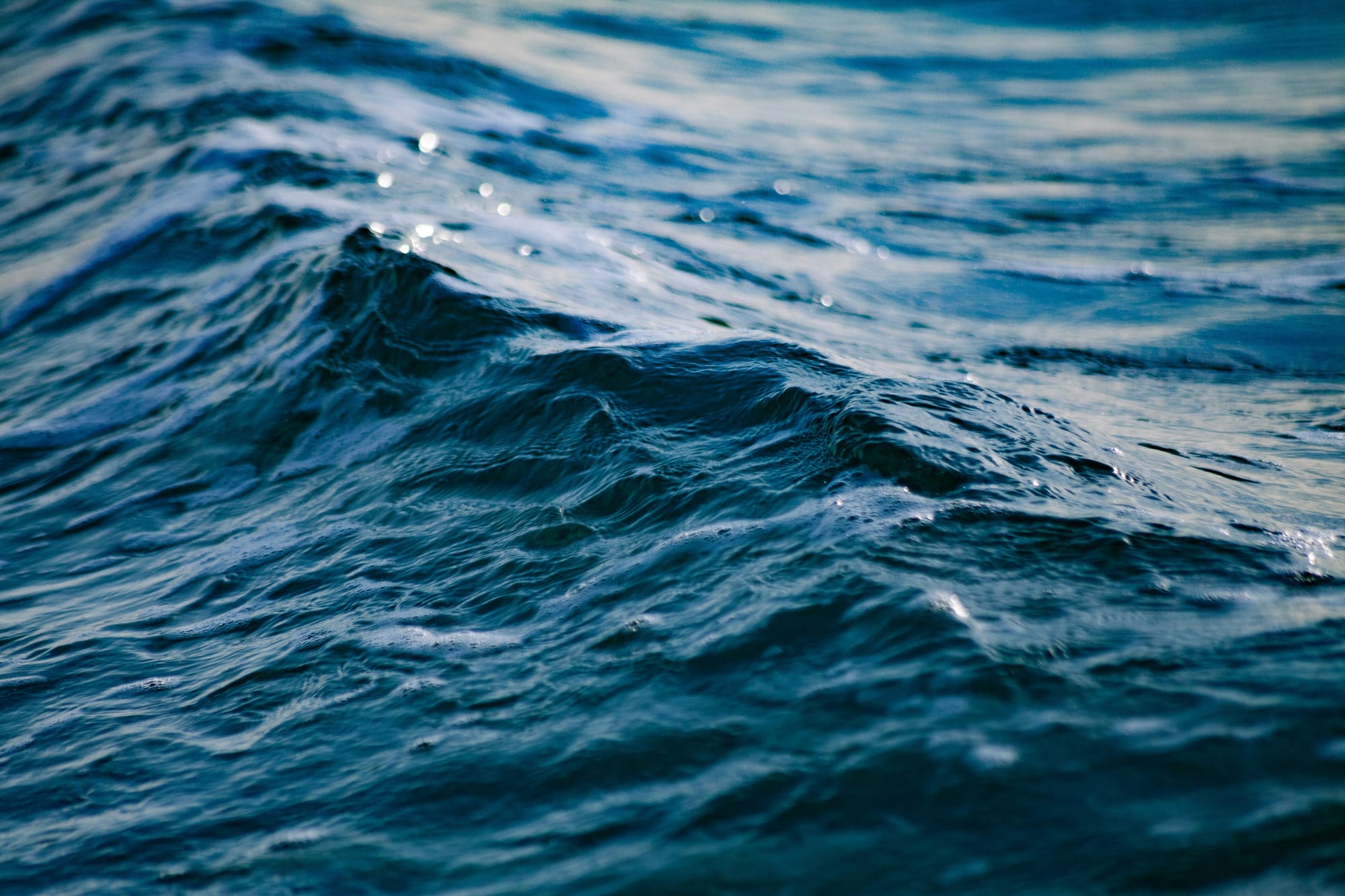
Think back to the last time you stood near a wild mountain stream or listened to the rhythmic crash of ocean waves.
There is a distinct, energetic clarity in water that is constantly on the move.
When water tumbles over river stones, plunges down a waterfall, or swirls through a gentle bend, it is continually dancing with the surrounding air.
It absorbs oxygen, carries minerals, and maintains a vibrant, structured vitality. Modern science refers to this state in terms of dissolved oxygen and kinetic energy, while ancient traditions simply called it "living water."
Yet, in our busy, modern lives, the water we reach for often tells a very different story.
To protect ourselves from invisible bacteria and impurities, we boil our water, pour it into containers, or let it sit motionless for days on end. While boiling is an essential and time-tested way to make water safe—effectively evaporating unwanted substances like chlorine—the intense heat also forces out the dissolved oxygen that was trapped inside.
If you were to take freshly boiled water, let it cool down undisturbed, and place a tiny goldfish inside, you might notice the fish struggling to breathe. This does not happen because the minerals disappeared—in fact, minerals do not evaporate and remain intact even after boiling. Rather, the fish struggles simply because the vital dissolved oxygen in that water was driven out by the heat during the boiling process. In a quiet, metaphorical sense, motionless water that lacks air can become a "sleeping" or "stagnant" water.
Fortunately, nature offers us a beautifully simple way to awaken that water once again.
We do not need complex gadgets or expensive equipment to restore vitality to what we drink. The secret lies in a principle as old as time: movement and cooling.
![[Journey of Salt 07] The Quiet Battery Inside Every Cell](https://storage.ghost.io/c/8f/00/8f00fdb3-415c-42a4-a5c1-668df117e7f0/content/images/size/w750/2026/09/photo-1648224394463-4589e018f2c3-1.jpeg)
![[Journey of Salt 06] Fused Salt](https://storage.ghost.io/c/8f/00/8f00fdb3-415c-42a4-a5c1-668df117e7f0/content/images/size/w750/2026/08/photo-1621315892013-f32af7358947-1.jpeg)
![[Journey of Salt 05] Salt Supports Digestion](https://storage.ghost.io/c/8f/00/8f00fdb3-415c-42a4-a5c1-668df117e7f0/content/images/size/w750/2026/08/photo-1569267575718-cc7287529e25-1.jpeg)
![[Journey of Salt 04] Nature's Masterpiece](https://storage.ghost.io/c/8f/00/8f00fdb3-415c-42a4-a5c1-668df117e7f0/content/images/size/w750/2026/08/photo-1677126120848-b839ce10f6ce-1.jpeg)
![[Journey of Salt 03] Where Modern Science and Ancient Wisdom Meet](https://storage.ghost.io/c/8f/00/8f00fdb3-415c-42a4-a5c1-668df117e7f0/content/images/size/w750/2026/08/photo-1659022679092-27b3ee7d8fdb-1.jpeg)