[Journey of Water 13] The Desert Within (Reclaiming the Sacred Stream of Life)
My dear Sik-Gu,
When you look into a mirror, what do you see? You likely see the frame of your face, the lines carved by laughter or worry, and the eyes that have witnessed your unique story. But beneath the surface of what seems like solid flesh and bone, nature is keeping a quiet secret: you are, at your core, an ocean wrapped in skin.
Nearly seventy percent of your body is composed of water. It is a profound cosmic geometry that the very planet we call home—with its roaring oceans, winding rivers, and quiet lakes—is also precisely seventy percent water. We are not merely living on the Earth; we are made of the exact same proportion as the Earth.
Yet, as we navigate the demands of our modern lives, a quiet tragedy unfolds inside us. Day by day, without asking for our permission, our bodies release this precious element. Every breath you exhale into the cool air carries away microscopic droplets. Every bead of sweat formed under stress or sun, every trip to the restroom, subtracts from your inner ocean. This is not a flaw in our design; it is the natural, continuous rhythm of biological existence.
To maintain life, we must continuously replenish what has been lost. This is the absolute foundation of human health. It is as simple, as humble, and as foundational as breathing.
And yet, how often do we neglect this simple truth?
Consider what happens when we withhold this sacred stream from ourselves.
When water leaves the body but is not replaced, the landscape within begins to change. Your blood—the vital river that delivers nutrients to every organ, carries away metabolic waste, and guides immune cells to fight off illness—begins to thicken. Its flow becomes sluggish, heavy, and strained.
In both modern Western medicine and the ancient wisdom of natural healing, a singular truth echoes clearly: when the body’s internal waters dry up, the foundation of health crumbles. From the common cold that catches us off guard to the chronic, complex ailments that shadow our later years, so many human sufferings begin with a quiet, unnoticed drought within the cells.
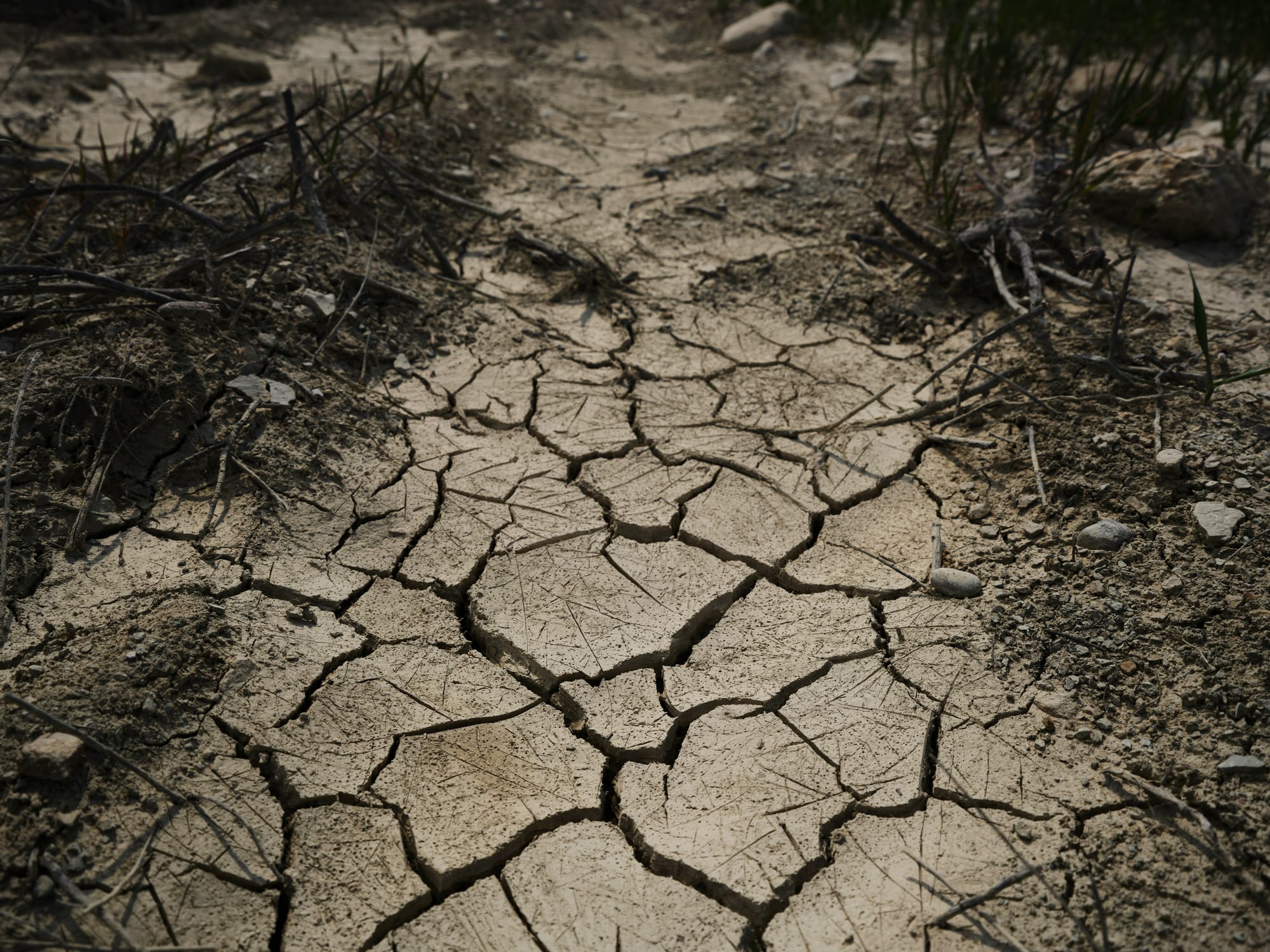
Think of the human body as a house made of traditional clay. As long as the clay holds moisture, the structure remains strong, resilient, and whole. But if the water slowly evaporates over time, the clay hardens, cracks, and eventually turns to dust. The land becomes a desert.
![[Journey of Salt 07] The Quiet Battery Inside Every Cell](https://storage.ghost.io/c/8f/00/8f00fdb3-415c-42a4-a5c1-668df117e7f0/content/images/size/w750/2026/09/photo-1648224394463-4589e018f2c3-1.jpeg)
![[Journey of Salt 06] Fused Salt](https://storage.ghost.io/c/8f/00/8f00fdb3-415c-42a4-a5c1-668df117e7f0/content/images/size/w750/2026/08/photo-1621315892013-f32af7358947-1.jpeg)
![[Journey of Salt 05] Salt Supports Digestion](https://storage.ghost.io/c/8f/00/8f00fdb3-415c-42a4-a5c1-668df117e7f0/content/images/size/w750/2026/08/photo-1569267575718-cc7287529e25-1.jpeg)
![[Journey of Salt 04] Nature's Masterpiece](https://storage.ghost.io/c/8f/00/8f00fdb3-415c-42a4-a5c1-668df117e7f0/content/images/size/w750/2026/08/photo-1677126120848-b839ce10f6ce-1.jpeg)
![[Journey of Salt 03] Where Modern Science and Ancient Wisdom Meet](https://storage.ghost.io/c/8f/00/8f00fdb3-415c-42a4-a5c1-668df117e7f0/content/images/size/w750/2026/08/photo-1659022679092-27b3ee7d8fdb-1.jpeg)